Loft Conversion Process UK: The Complete Step-by-Step Guide (2026)
Most loft conversions run late for the same reason: things were done in the wrong order. Here's the correct sequence, from drawings and planning through to building control.
The questions buyers ask us every week, answered properly — by builders, not content writers.

Most homeowners who feel overcharged were not overcharged — the quote was incomplete. How to tell a genuine rip-off from work that was never priced, what is usually missing, and how to raise it without wrecking the relationship.
Read the article →
Most loft conversions run late for the same reason: things were done in the wrong order. Here's the correct sequence, from drawings and planning through to building control.

Air bricks look like spare holes in the wall, but on a house with a suspended timber floor they're doing an important job. Here's what they do, how they get blocked, and a five-minute check for yours.

A re-roof quote swings wildly because it's priced by area, material and everything else that happens to be up on the scaffold at the same time. Here's what each part actually costs.

"Bathroom renovation" covers everything from swapping a tap to building one from scratch in a bedroom. Here's what each scope actually costs, and which extras aren't worth skipping.

One of the most common questions after a survey mentions possible subsidence isn't "how much will it cost to fix" — it's "will I even be able to insure this house." Here's how it actually works.

"Get a structural engineer's report" is common advice after a survey flags movement — but most people commissioning one for the first time don't know what they're paying for.

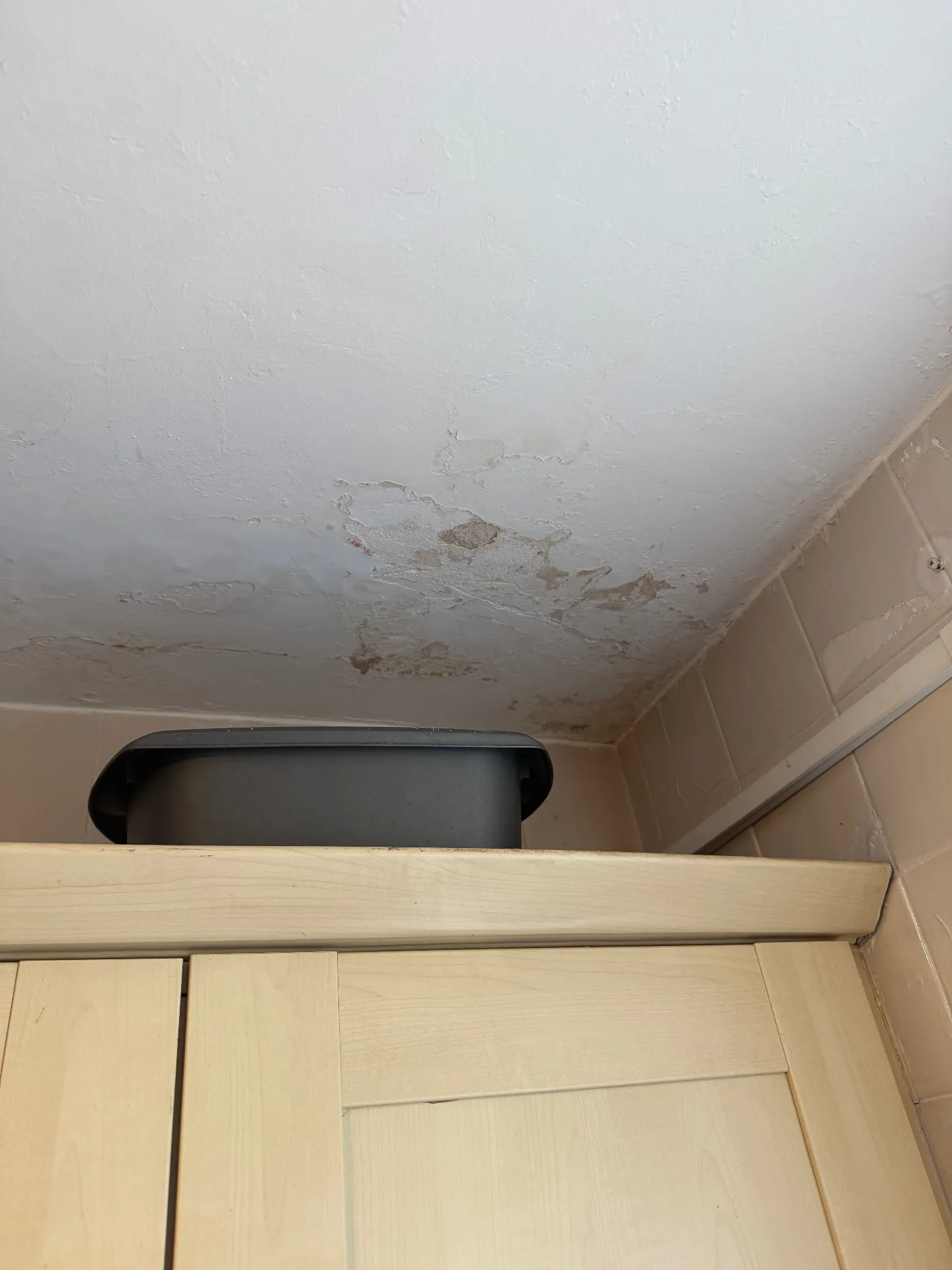
Before you spend thousands on damp treatment, look outside. Gutters, downpipes and drainage cause more damp in UK homes than rising damp does. Here's what a builder looks for, and what fixing it costs.

Buying a property that's been empty for 2+ years? You may qualify for 5% VAT on renovation work instead of 20% — here's how it works and what to check.

Damp patches and cold spots years after cavity wall insulation was installed usually mean it's failed. Here's what surveys flag and what remedial work costs.

Paying a builder in one lump sum upfront is one of the most common ways homeowners lose money. Here's how to structure stage payments properly.

New doesn't mean defect-free. Here's what a snagging survey covers, when to book one, and what's reasonable to expect a developer to fix.

Building an extension or loft conversion near a shared boundary? Here's when you need a Party Wall Agreement, what it costs, and what happens if you skip it.

Three builders, three very different prices for what looks like the same job. Here's exactly what to check in a builder's quote before you accept it — and what the cheapest price is often hiding.

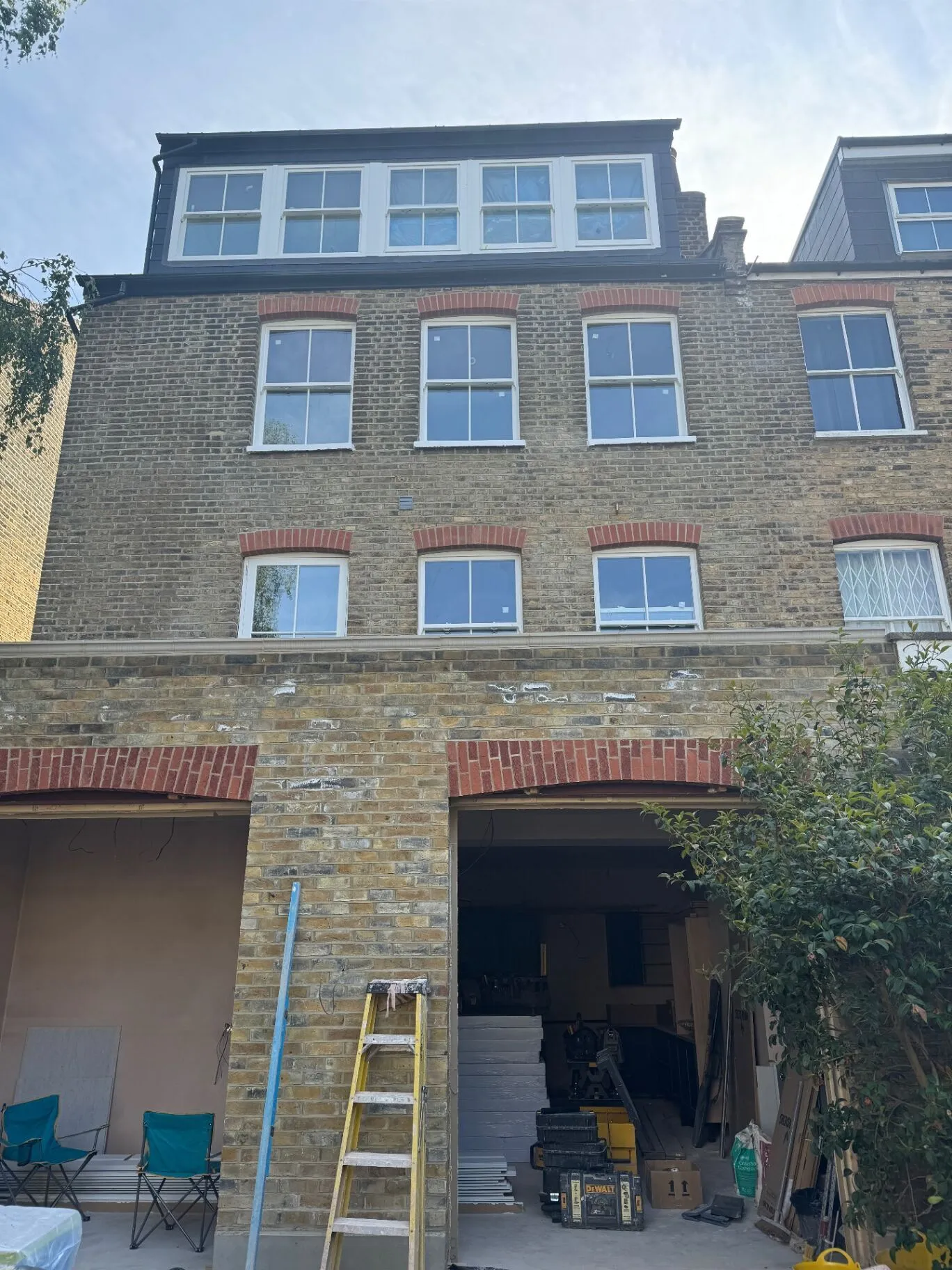
Rooflight, dormer, hip-to-gable or mansard — loft conversion costs vary hugely by type. Here's a realistic 2026 breakdown by conversion type, region and what's usually excluded.

Most buyers book a survey after their offer is accepted — by which point they've lost their leverage. Here's why builder advice belongs before the offer, not after.

Sticking doors, worn thresholds and draughty frames are common survey notes — here's what they actually mean and what fixing them costs.

Planning to buy a fixer-upper? Discover the real cost of renovating a house in the UK in 2026, from cosmetic refreshes to full structural renovations.

Single glazing gets flagged on almost every older survey — but is it a real problem, or just a note? Here's how to weigh it up properly.

A survey flags rotten window frames — but does that mean full replacement, or can they be repaired? Here's how to tell, and realistic costs either way.

A working boiler at a viewing doesn't tell you much about its age, efficiency or safety. Here's what to check on heating and gas safety before you offer.

Not all old-looking wiring needs replacing immediately. Here's how to identify what type of wiring a property actually has, and what it means for cost and safety.

An EICR uses codes (C1, C2, C3, FI) that sound cryptic but tell you exactly how urgent an electrical issue is. Here's how to read one before you buy.

Radon gas sounds alarming but is a normal, manageable consideration in parts of the UK. Here's what a radon finding on your survey actually means.

A property can look perfectly dry and still sit in a high flood risk zone. Here's how to check flood risk properly before you offer, and what it means for insurance.

Japanese knotweed can genuinely derail a mortgage application — but the risk depends heavily on distance and management, not just presence. Here's how it actually works.

The seller says the woodworm or damp was ‘treated with a guarantee’ — but is that guarantee actually worth anything to you as the new owner?

Dry rot has a fearsome reputation and a fearsome price tag to match — but is that really what your survey found? Here's how to tell wet rot and dry rot apart.

Your survey mentions woodworm — but are the beetles still active, or are you looking at decades-old damage? Here's how to tell, and what treatment actually costs.

Underpinning is the most feared word in a survey report — and one of the most over-recommended repairs. Here's when it's genuinely necessary and what it costs.

Cracking around a bay window is one of the most common survey findings on Victorian and Edwardian terraces. Here's why it happens and what repairs actually cost.

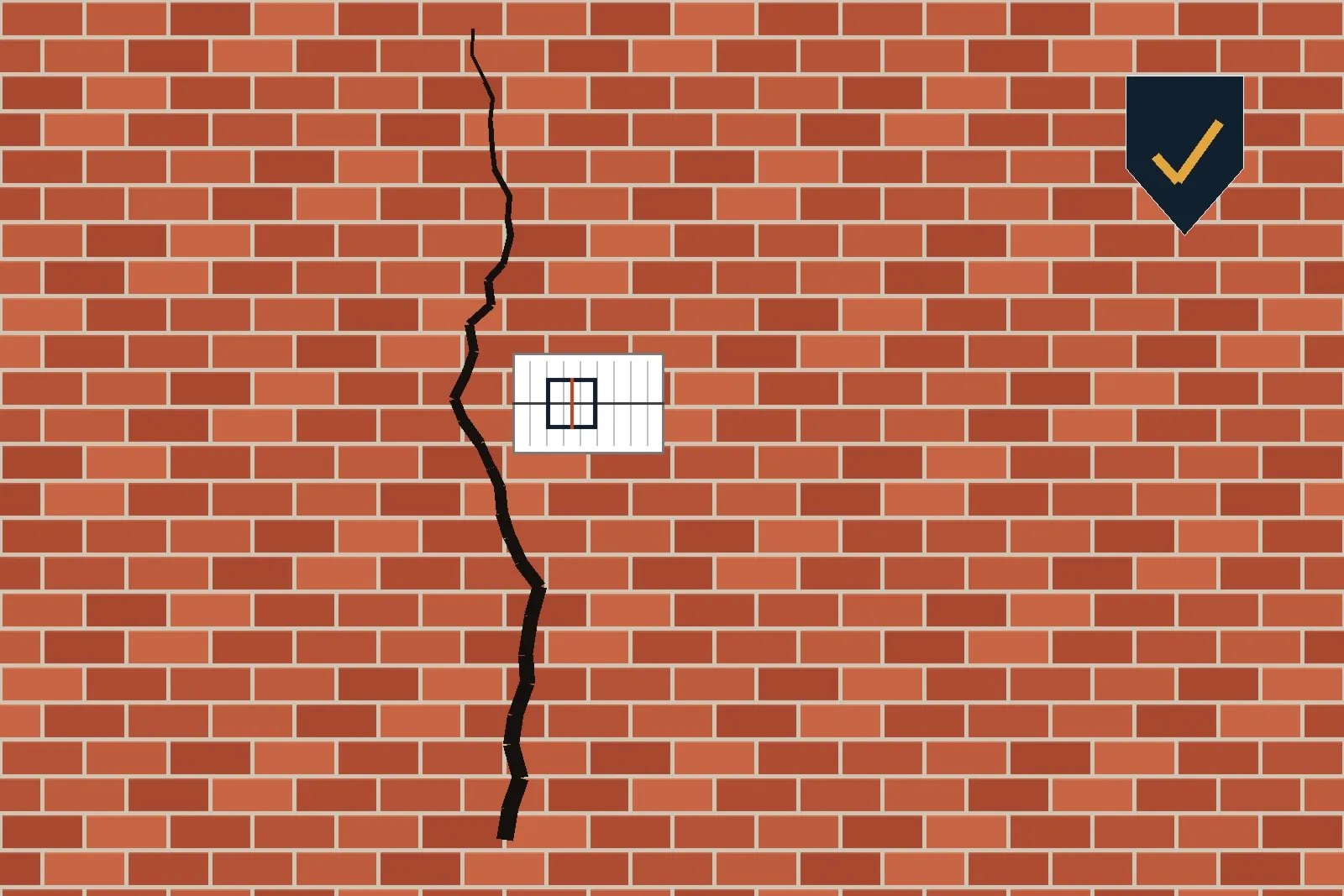
Not every crack means subsidence. Here's how to tell subsidence, historic settlement and thermal movement apart — and why the difference changes everything.

Damp survey quotes can range from £500 to over £10,000 for what sounds like the same problem. Here's what actually drives the cost and how to tell if a quote is fair.

Black mould in the corners, condensation on the windows — it's the most common damp problem in UK homes and usually the cheapest to fix. Here's how.

Your survey flags damp — but is it rising, penetrating, or condensation? The distinction changes the diagnosis, the fix and the cost. Here's how to tell them apart.

Your survey says the roof covering is ‘aged’ or ‘approaching the end of its serviceable life’ — how urgent is that really, and what should you budget?

Building or renovating is one of the biggest investments you'll make. Discover how early, trusted builder advice protects your budget, timeline and peace of mind.

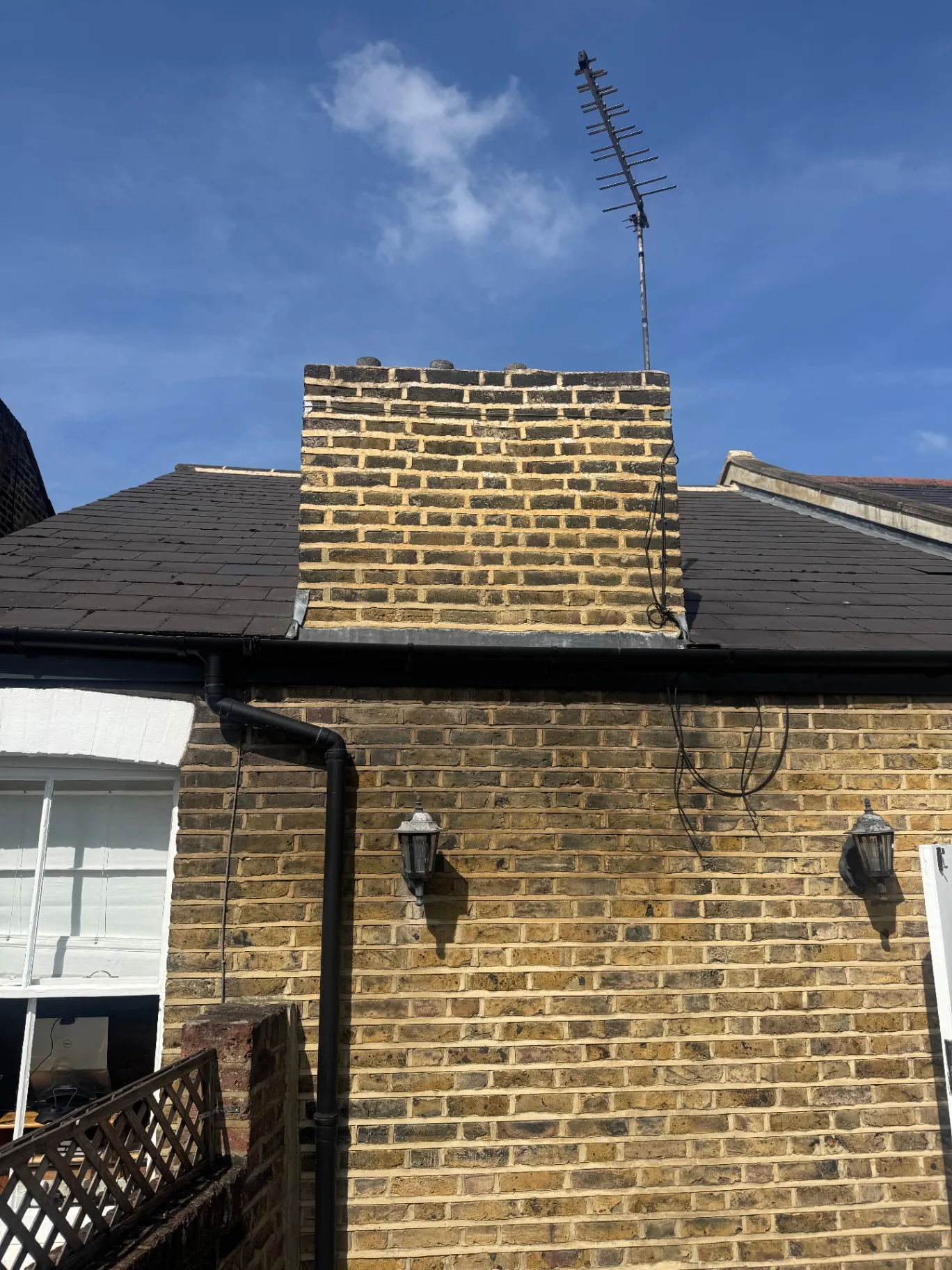
Chimney stack repointing and flashing failure are among the most common survey findings on period homes. Here's what they mean and realistic repair costs.

Your survey flags the flat roof as ‘nearing the end of its serviceable life’ — what does that actually mean? A plain-English guide to flat roof survey findings and realistic repair costs.

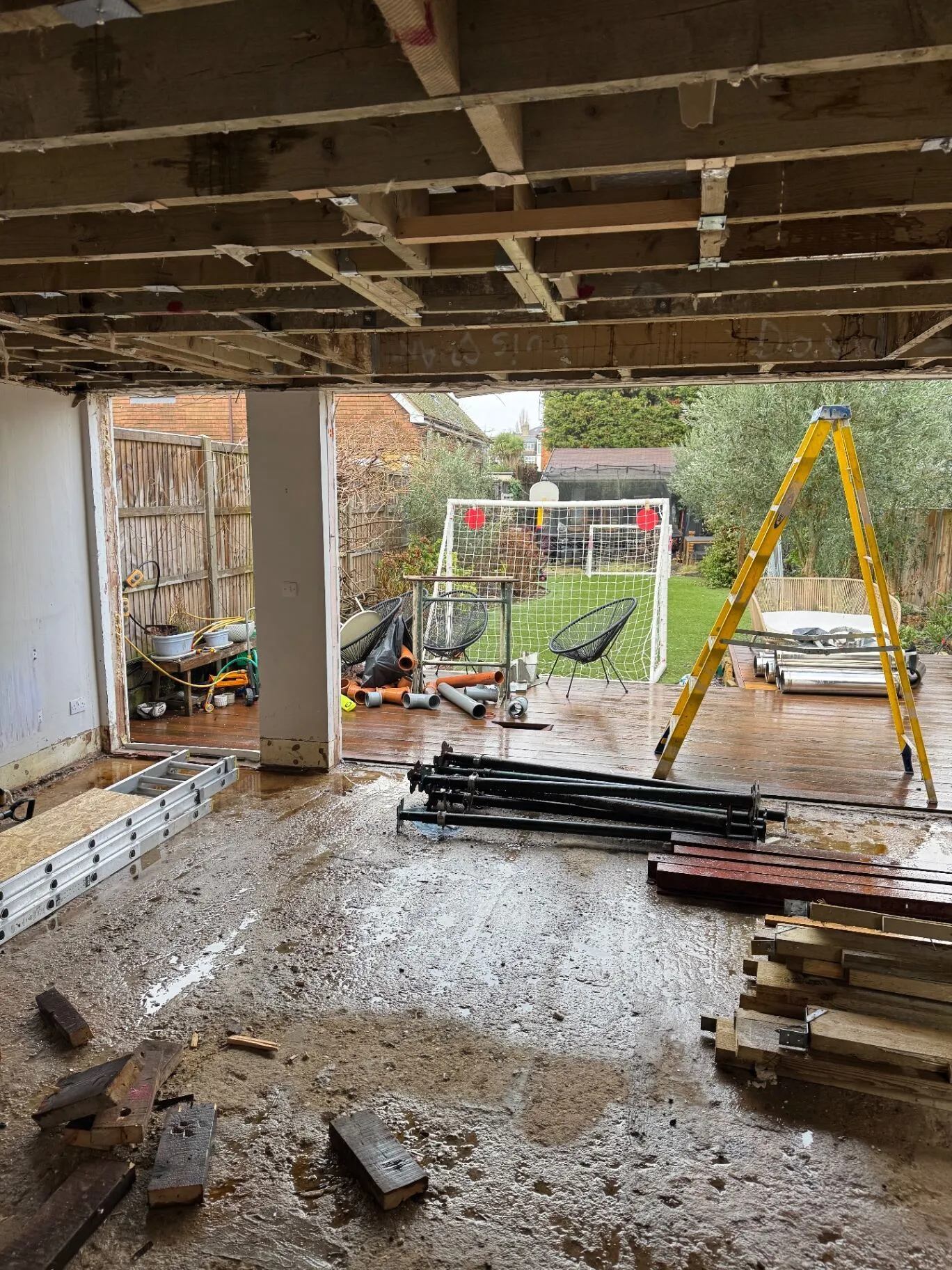
Extension costs UK 2025 — real per-m² prices by region, full worked scenarios for terraced, semi and detached homes, hidden extras and FAQs from working builders.

Confused by RICS survey levels? This plain-English guide explains Level 1, 2, and 3 surveys, what the colour ratings mean, and exactly what to do after you get your report.

Surveys flag problems but not costs. Learn how speaking to a builder after your property survey can save you thousands and give you the confidence to negotiate or walk away.

Survey reports can feel overwhelming. Learn how to separate urgent issues from minor observations, prioritise repairs, and understand likely costs before you act.

Before you hand over thousands of pounds, here's how to verify a builder is legitimate, qualified, and trustworthy. A practical guide to protecting yourself from rogue traders.

Loft conversions are one of the most popular home improvements in the UK, but the planning rules can be confusing. Here's everything you need to know about permitted development, building regulations, and when you do need full planning permission.

With house prices high and moving costs eye-watering, more homeowners are choosing to extend. We break down real 2025 extension costs across the UK — from single storey rear extensions to basements.

Not all builder quotes are created equal. Learn the warning signs that separate a fair, professional quote from one that could cost you thousands in hidden extras and poor workmanship.

A RICS survey is one of the most important steps when buying a property — but on its own, it doesn't always protect you from expensive mistakes. Learn how ChatToYourBuilder bridges the gap between survey findings and practical building advice.

Spotting a dream home is thrilling, but hidden structural issues can turn it into a nightmare. Learn the key warning signs to look for during property viewings to avoid costly surprises.

Planning a kitchen renovation in London? Discover the real costs, from budget makeovers to luxury transformations, with insights from experienced builders who've fitted hundreds of kitchens across the capital.

Buying your first home is exhilarating but overwhelming. Learn what to inspect, questions to ask, and tips to avoid buyer's remorse with this systematic checklist from experienced builders.

Buying a property is one of the biggest financial decisions you'll ever make. Chat to Your Builder bridges the gap between home buyers and expert building advice — without the jargon, delays, or costly surprises.

Master safe DIY with battle-tested insights from seasoned builders. Learn essential safety gear, planning tips, and when to call in the pros to keep your home projects on track.

In today's digital world, getting builder advice online can be just as valuable — and often more convenient — than traditional on-site consultations.

Having a professional builder at your property viewing means you get expert eyes on the structure, layout, and potential renovation costs before you make an offer.
Get a builder’s eyes on it first. We review listings, photos, surveys and reports so you know exactly what you’re walking into.
Response within 24 hours · no-quibble money-back guarantee