Bay Window Cracking: What It Means and What It Costs to Fix
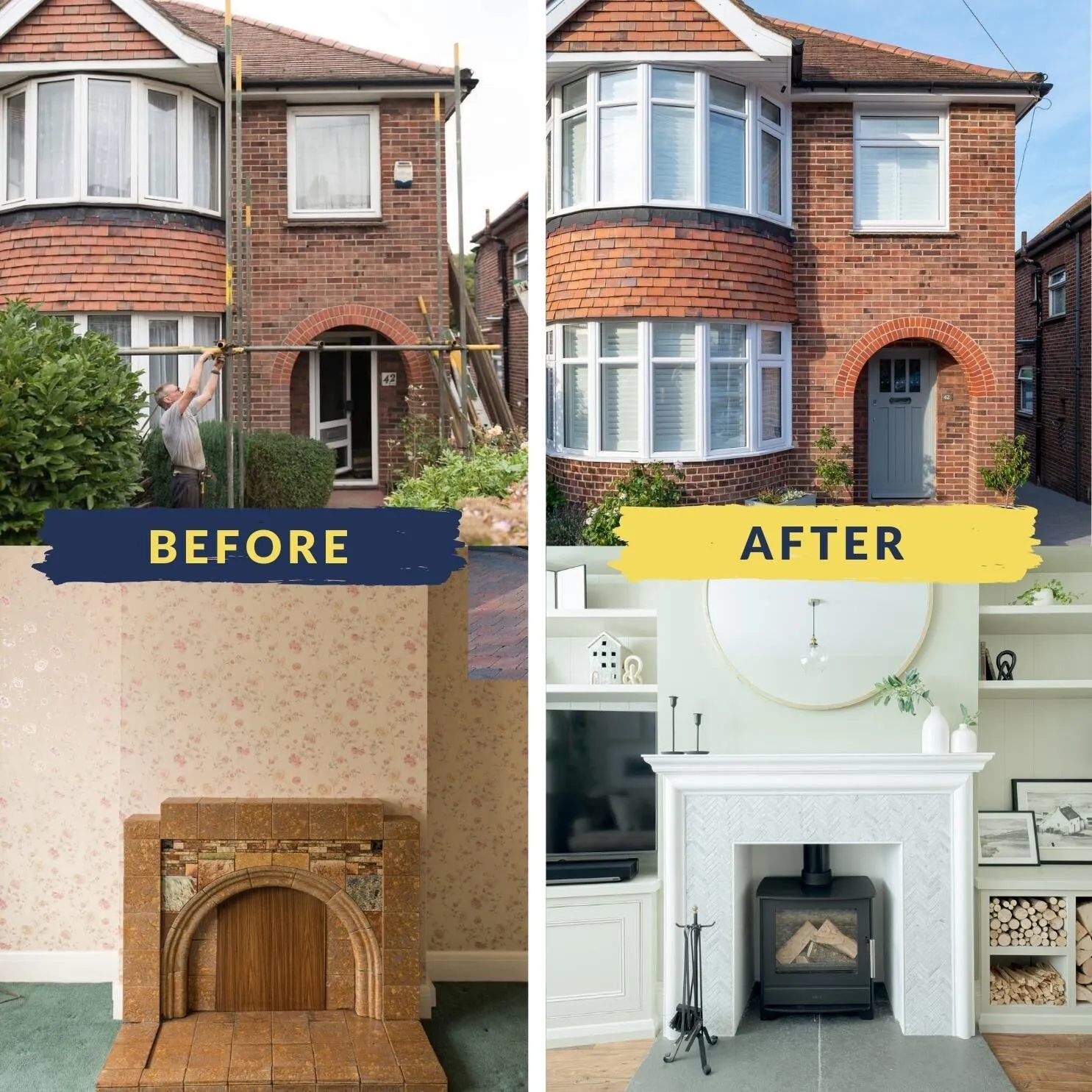
If you're viewing a Victorian or Edwardian terrace with a bay window — and a huge proportion of period British housing has one — there's a strong chance the RICS survey mentions cracking around it. This is genuinely one of the most common structural findings in UK RICS surveys, and understanding why it happens takes most of the worry out of it.
Why Bay Windows Crack So Often
A bay window projects out from the main building line, usually on shallower, narrower foundations than the main house behind it, because Victorian and Edwardian builders often didn't extend the bay's foundations to the same depth as the main structure — it was considered a lighter, largely decorative addition rather than load-bearing in the same way.
This means the bay and the main house can settle at slightly different rates, especially over 100+ years, creating a crack right at the junction where the bay meets the main wall — exactly where you'll usually see it on a RICS survey.
Is This Actually a Problem?
In the vast majority of cases: no, not an active one. This differential settlement mostly happened decades ago and has long since stabilised. The crack you're looking at is very often the visible record of movement that occurred, then stopped, long before you ever viewed the property.
That said, "usually not a problem" isn't the same as "never a problem" — which is exactly why it's worth understanding what distinguishes a stable, historic bay window crack from one that needs real attention. Our broader guide on subsidence vs settlement vs thermal movement covers the general principles; here's how they apply specifically to bay windows.
What to Actually Check
The crack location: A vertical crack running up the internal or external corner where the bay joins the main wall is the classic, usually-benign pattern. Cracks running horizontally through brick courses, or diagonally away from the junction in a "staircase" pattern through the mortar joints, are more worth investigating.
Door and window function: Do the bay's own windows open and close freely? Sticking or binding sashes/casements can indicate the bay has distorted slightly out of square — again, often historic, but worth noting.
External ground level near the bay: Bay windows are more exposed to ground moisture changes than the main house due to their shallower foundations. Check whether a patio, path or flower bed sits close against the bay's base, which can affect both damp and, in clay soil areas, ongoing minor movement.
Roof of the bay itself: Many bays have their own small flat or pitched roof, separate from the main roofline — worth checking this specifically, as detailed in our flat roof survey findings guide, since problems here can cause damp that's sometimes mistaken for structural cracking.
What Your RICS Survey Is Actually Telling You
"Cracking at bay window junction, consistent with historic differential settlement" — the surveyor is reasonably confident this is old and stable. This is the outcome in most cases and generally isn't a reason to renegotiate significantly, though it's worth a quick sense-check.
"Recommend structural engineer assess bay window connection" — the surveyor wants more certainty before ruling out active movement, particularly if the crack is wide, recent-looking, or accompanied by other signs like sticking windows.
"Bay window shows signs of separation from main structure" — more significant, meaning there's visible physical movement, not just cracked plaster or brickwork. This needs a structural engineer's assessment before you can sensibly cost any repair.
Realistic Repair Costs
- Cosmetic crack repair, filled and redecorated — £150 to £400. Appropriate once the movement has been confirmed stable, and the right answer for most bays.
- Structural engineer's assessment — £500 to £1,000. Worth it for anything beyond simple hairline cracking.
- Helical tie or crack-stitching repair — £800 to £2,500. Reinforces the junction without full structural work. Common, and effective.
- Bay roof repair, where it's adding damp to the picture — £800 to £3,000. See our flat roof guide for detail.
- Bay foundation underpinning, where it is genuinely needed — £6,000 to £15,000. Relatively rare, and only for confirmed ongoing movement — not for historic settlement.
The gap between the top and bottom of that list is why it's worth getting a read on which one you're actually looking at before you renegotiate, walk away, or start ringing round for quotes.
What to Do Before You Offer
Ask the estate agent or seller whether any structural report exists for the bay window — many period properties will have one from a previous sale or insurance claim, and it can save you the cost of commissioning a new assessment. If none exists and the crack looks more than cosmetic, factor a structural engineer's report into your negotiation or pre-exchange checklist.
Who You'd Be Talking To
I'm Ben Murrell. I've been in the trade for nearly 30 years, starting as an apprentice in the late 1990s, and I've opened up enough bays on Victorian and Edwardian terraces to know the difference between a crack that stopped moving before you were born and one that hasn't.
I'm a member of the Federation of Master Builders and carry public liability insurance. Just as importantly: I don't quote for the work. I don't carry it out and I don't refer it, so when I tell you a bay crack is cosmetic, there's nothing in it for me either way. That is the whole point of asking a builder who isn't hoping to win the job.
I've helped buyers assess bay window cracking on period terraces across London, Brighton, Bristol, Leicester and Nottingham. If you want more depth first, read subsidence vs settlement vs thermal movement and underpinning costs.
Two Ways to Ask Me About Your Bay
Got the whole survey back? Reading one crack is free. Reading the whole report is the £59 builder review: every finding turned into what it actually means, what matters and what doesn't, and realistic repair ranges against each one — written review plus a call, back within 24 hours. If it doesn't give you a clear answer on the property, you get every penny back.
Frequently asked questions
Can I just send you a photo of the crack?
Yes. One crack, one photo, one straight answer is free — send it on WhatsApp or through the free question page and Ben will tell you whether it reads as historic settlement or something worth investigating, and roughly what putting it right would cost. Reading a whole RICS survey and costing every finding is the paid £59 builder review.
Why do bay windows crack more than other parts of a house?
Bay windows typically sit on shallower, separate foundations from the main house, because Victorian and Edwardian builders often treated them as lighter additions. This means the bay and main house can settle at slightly different rates, creating a crack at the junction — usually historic and stable rather than an active problem.
Is crack-stitching a proper structural repair?
Yes, when done correctly. Helical tie/crack-stitching involves inserting stainless steel ties into the mortar joints across a crack to reinforce the junction, and it's a well-established, effective repair for confirmed stable cracking that doesn't require full underpinning.
Should I be more worried about a bay window crack than one elsewhere in the house?
Not automatically — bay window cracking is common enough that surveyors see it constantly and can usually assess whether it fits the typical historic settlement pattern. What matters is the specific pattern, width and any accompanying signs like sticking windows, not simply its location.
Work it out yourself
Free tools built on real 2026 builder rates. No sign-up, no email.