Damp-Proofing Costs UK: What a Realistic Repair Bill Actually Looks Like
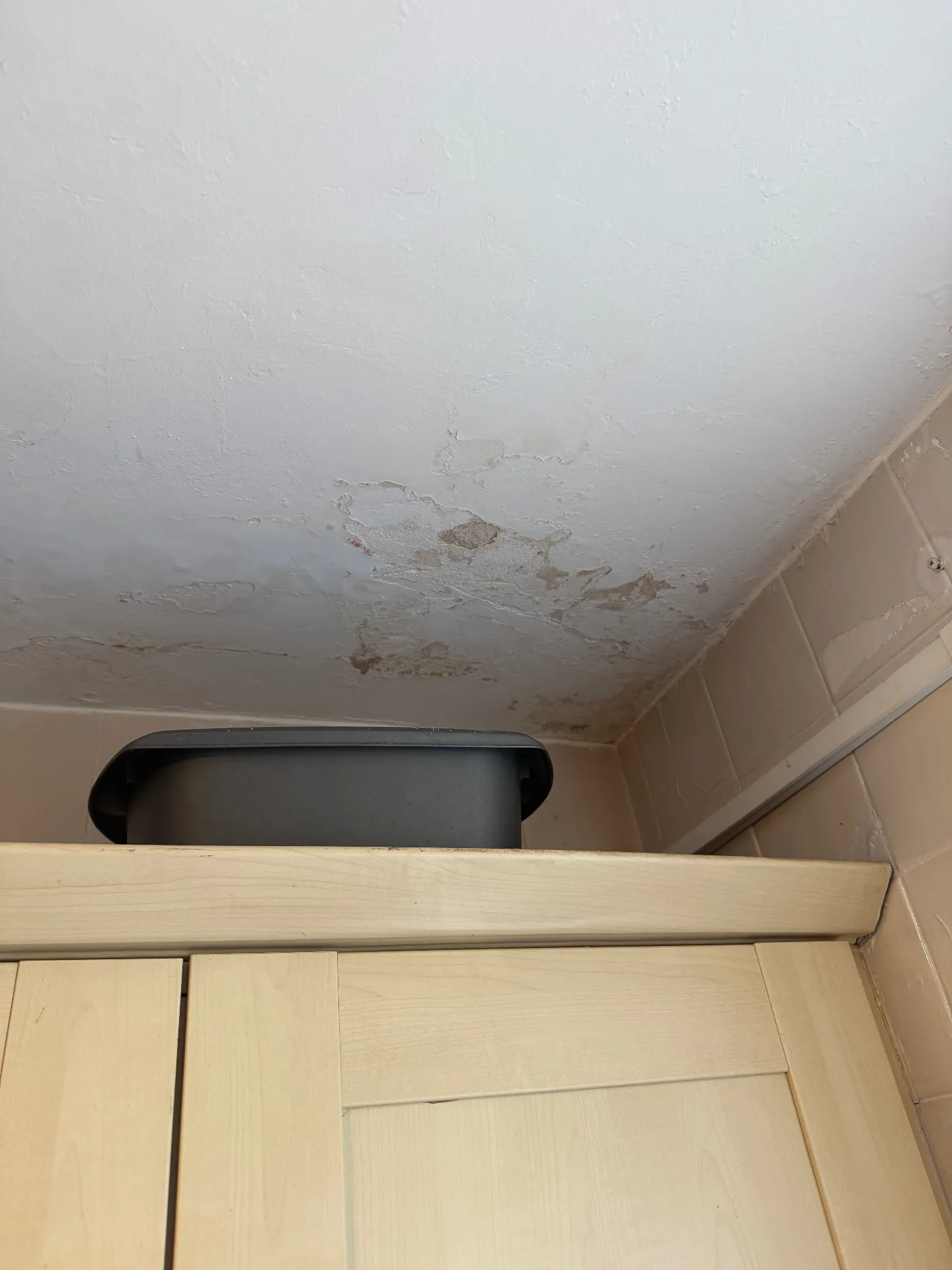
Ask three damp companies to quote on the same problem and you can genuinely get three wildly different numbers — and three different diagnoses. Damp remediation is one of the areas of home repair most prone to over-selling, because a chemical DPC injection with a 20-year "guarantee" sounds reassuringly thorough, whether or not it's actually the right fix. Here's what damp-proofing genuinely costs, broken down by what's actually being done.
Start With the Diagnosis, Not the Quote
Before any cost makes sense, you need to know what type of damp you're dealing with — our guide to rising damp vs penetrating damp and condensation and black mould cover how to tell them apart. The single biggest driver of "wasted" damp-proofing spend is treating the wrong problem — a chemical DPC injection does nothing for penetrating damp or condensation, but costs the same either way.
Chemical Damp-Proof Course (DPC) Injection
The most commonly sold "fix," and appropriate only for genuine rising damp with a failed or absent original DPC.
What it involves: Drilling a line of holes into the mortar course near ground level and injecting a silicone-based damp-proofing cream that migrates through the masonry to form a water-repellent barrier.
Typical cost: £2,000 – £5,000 for a standard 3-bed terrace/semi (external walls), depending on wall length and thickness.
Worth knowing: Often bundled with replastering using a "renovating plaster" or membrane system, since the plaster affected by the original damp needs replacing anyway — this replastering is frequently the majority of the total cost, not the injection itself.
Physical DPC Insertion
A more invasive but more reliable alternative to chemical injection, sometimes used where chemical injection has previously failed or where the wall construction makes injection unreliable.
What it involves: Physically cutting into the mortar course and inserting a membrane damp-proof course.
Typical cost: £4,000 – £9,000, significantly more than chemical injection due to the labour involved.
Bridged DPC Correction (Often the Real Fix Needed)
Where a DPC already exists but has been bridged by raised external ground levels, patios, or render extending too low.
What it involves: Lowering external ground levels, cutting a drainage channel, or removing render below the DPC line to restore the barrier's effectiveness.
Typical cost: £500 – £2,000, often far cheaper than chemical injection — which is exactly why an accurate diagnosis matters so much.
Tanking (Basements and Cellars)
A different approach entirely, used where a space is below ground level and needs to be made habitable despite constant ground moisture pressure.
What it involves: Applying a waterproof membrane or cementitious coating to basement/cellar walls and floor, effectively creating a sealed box, sometimes combined with a sump and pump system for active water management.
Typical cost: £3,500 – £10,000+ depending on basement size and whether a sump pump system is needed. This is a specialist job — get more than one quote and check the installer's guarantee and insurance-backing.
Breathable Lime-Based Repair (Period Properties)
For genuinely old properties (pre-1919, often pre-1875) built without a DPC and designed to breathe rather than be sealed.
What it involves: Removing modern cement render or gypsum plaster (which traps moisture against solid walls) and replacing with lime-based render and plaster, which allows moisture to evaporate rather than get trapped.
Typical cost: £1,200 – £2,500 per room for replastering; £4,000 – £9,000 for full external re-rendering of a terrace. This is often the correct approach for period properties, and chemical DPC injection is frequently the wrong fix entirely — sealing a solid wall built to breathe just moves the moisture problem elsewhere.
Ventilation-Based Fixes (Condensation)
Covered in detail in our condensation and black mould guide — typically £150 – £1,400 depending on scope, and by far the cheapest category when condensation, not rising or penetrating damp, is the actual cause.
How to Tell If a Damp Quote Is Fair
- Ask what type of damp was diagnosed and how — a proper diagnosis references where the damp appears, its height pattern, and correlation with weather or ventilation, not just a meter reading
- Be wary of anyone quoting chemical DPC without checking for bridging first — lowering a flower bed is a lot cheaper than injecting a wall
- Ask about the guarantee provider, not just the length — a 20-year guarantee is only as good as the company still existing in year 15
- Get a second, independent opinion before committing to anything over £2,000 — ideally from someone with no financial interest in a particular treatment
How Chat to Your Builder Helps
For £59, we'll review any damp quotes or RICS survey findings you've received, sanity-check the diagnosis, and tell you whether the proposed fix and price actually match the problem — before you commit to a five-figure spend on the wrong solution.
We've helped buyers assess damp repair quotes on properties across Bristol, Birmingham, Portsmouth, Southampton and Plymouth. See our related guides on rising vs penetrating damp and condensation and black mould.
Book your consultation today and get an honest second opinion before you sign off on a damp quote.
Frequently asked questions
Why do damp-proofing quotes vary so much between companies?
Largely because of differing diagnoses, not just differing prices for the same job. One company may correctly identify a bridged DPC (cheap to fix), while another sells a full chemical DPC injection (far more expensive) for the same underlying problem. Always ask how the diagnosis was reached.
Is chemical DPC injection ever the wrong choice?
Yes — it's specifically for genuine rising damp with a failed or absent DPC. It does nothing for penetrating damp or condensation, and it's often the wrong approach for genuinely old solid-wall properties designed to breathe, where a lime-based system is more appropriate.
How much of a damp-proofing quote is usually replastering rather than the treatment itself?
Often the majority of it. Whatever damp treatment is used, plaster affected by the original damp typically needs to be removed and replaced, and this labour-intensive replastering is frequently a bigger cost than the DPC injection or physical barrier work itself.
Work it out yourself
Free tools built on real 2026 builder rates. No sign-up, no email.