How to Check If a Builder Is Legit in the UK (2026 Guide)
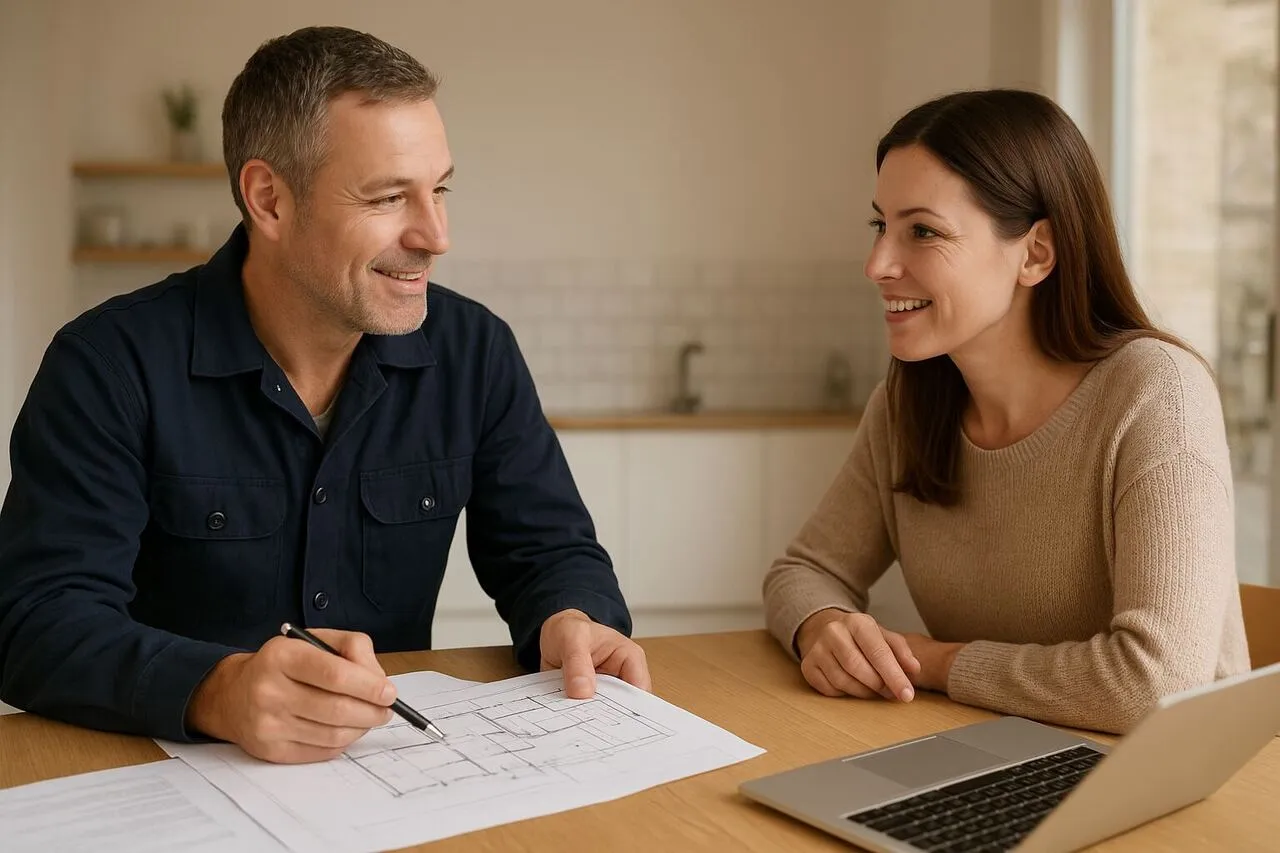
Hiring a builder is one of the biggest financial decisions you'll make as a homeowner. Get it right and you'll have quality work that lasts decades. Get it wrong and you could be looking at thousands of pounds in remedial work, legal disputes, and months of stress.
The good news? Checking whether a builder is legitimate isn't complicated — you just need to know where to look. This guide walks you through every step of verifying a builder in the UK, from initial checks to the questions you should ask before signing anything.
Why Checking Your Builder Matters
According to Citizens Advice, over half of people who hire tradespeople experience some kind of problem — from poor workmanship to builders disappearing mid-job. The construction industry has lower barriers to entry than many people realise, and there's no legal requirement for a builder to hold specific qualifications to operate in the UK.
That's why doing your homework is essential.
Step 1: Check Their Business Registration
Every legitimate builder should be a registered business. Here's how to verify:
- Companies House — If they claim to be a limited company, search for them at Companies House. Check their incorporation date, registered address, and whether their accounts are up to date.
- Self-employed — Many smaller builders operate as sole traders. Ask for their UTR (Unique Taxpayer Reference) number. A legitimate sole trader will have one.
- VAT registration — If a builder's turnover exceeds £90,000 (2025 threshold), they must be VAT registered. If they're quoting large jobs without VAT, ask why.
Red flag: A builder who can't provide any business registration details or insists on cash-only payments.
Step 2: Verify Trade Body Memberships
Trade body membership isn't mandatory, but it's a strong trust signal. The most reputable ones include:
- Federation of Master Builders (FMB) — Members are independently inspected and vetted. You can verify membership at fmb.org.uk.
- National Federation of Builders (NFB) — Represents larger building companies.
- Guild of Builders and Contractors — Members must pass financial and quality checks.
- TrustMark — A government-endorsed scheme. All TrustMark registered businesses are vetted, their work is independently inspected, and they must follow a code of conduct.
How to verify: Don't just take their word for it. Go to the trade body's website and search for the builder by name. Membership logos on a van or website can be faked — the official directory cannot.
Step 3: Check Their Insurance
A legitimate builder should carry at minimum:
- Public liability insurance — Covers damage to your property or injury to third parties. A minimum of £2 million cover is standard; £5 million or £10 million for larger projects.
- Employer's liability insurance — Required by law if they employ anyone. Must be at least £5 million.
- Professional indemnity insurance — Not always standard but important for design-and-build work.
- Contract works insurance (All Risks) — Covers the building work itself against damage during construction.
Ask to see certificates, not just policy numbers. Check the policy dates are current and that the cover amount is appropriate for your project size.
Step 4: Look at Their Track Record
- Google Reviews — Search their business name on Google. Look for a consistent pattern of positive reviews over time, not just a handful of 5-star reviews posted in one week.
- Checkatrade / MyBuilder / Rated People — These platforms verify tradespeople and collect genuine customer reviews. Check their profile history and read the detailed reviews, not just the star ratings.
- Ask for references — A confident builder will happily provide contact details for 3-5 recent customers. Call them. Ask specifically: Did the builder finish on time? Were there unexpected costs? Would you use them again?
- View previous work — Ask to see completed projects in person, not just photos. A builder who's proud of their work will welcome this.
Step 5: Check Their Qualifications
While there's no single mandatory qualification for builders in the UK, these credentials demonstrate competence:
- NVQ/SVQ Level 2 or 3 in a relevant construction trade
- CSCS card (Construction Skills Certification Scheme) — Shows they've passed health and safety tests
- City & Guilds qualifications in their specialist area
- Part P certification — Required for electrical work
- Gas Safe registration — Legally required for any gas work
For specialist work, always check the specific certification. A builder doing electrical work must be Part P certified or use a registered electrician. Gas work must only be done by Gas Safe registered engineers.
Step 6: Get Everything in Writing
A legitimate builder will provide:
- A detailed written quote (not just an estimate) breaking down labour, materials, and VAT
- A written contract covering scope of work, payment schedule, start and completion dates, and what happens if things change
- A payment schedule tied to milestones, not upfront lump sums
- Details of any warranties or guarantees on their work
Never pay more than 10-15% upfront as a deposit. Payment should follow completed stages of work. A builder demanding 50% or more upfront before starting is a major red flag.
Step 7: Trust Your Instincts
Beyond the paperwork, pay attention to:
- Communication — Do they respond to calls and messages promptly? Are they clear and professional?
- Punctuality — If they're late to the quote meeting, they'll likely be late to the job.
- Willingness to explain — A good builder will happily walk you through what they're planning and why.
- Pressure tactics — "This price is only valid today" or "I've got another job starting next week" are classic pressure signs. A busy, legitimate builder doesn't need to pressure you.
- Too good to be true — If one quote is dramatically lower than others, ask yourself why. They might be cutting corners on materials, using unqualified labour, or planning to add costs later.
The Quick Verification Checklist
Use this checklist before hiring any builder:
- ✅ Registered business (Companies House or sole trader UTR)
- ✅ Trade body membership verified on official website
- ✅ Public liability insurance certificate (current)
- ✅ Employer's liability insurance (if they have employees)
- ✅ At least 3 contactable references from recent projects
- ✅ Consistent positive reviews across multiple platforms
- ✅ Relevant qualifications and CSCS card
- ✅ Detailed written quote with full breakdown
- ✅ Written contract before work begins
- ✅ Reasonable payment schedule (not heavy upfront)
What to Do If Something Goes Wrong
If you've already hired a builder and things aren't going to plan:
- Document everything — Photos, messages, receipts, and a timeline of events
- Communicate in writing — Put complaints in writing (email or letter) so there's a record
- Contact Citizens Advice — Free guidance on your rights
- Trading Standards — Report rogue traders via your local authority
- Small Claims Court — For disputes under £10,000 in England and Wales
How Chat to Your Builder Can Help
Not sure whether a builder's quote is fair? Worried about the quality of work being done? Our expert builders offer RICS survey review to help you:
- Review quotes and check they're reasonable — see our guide to builder quote red flags for what to look out for
- Assess work in progress to spot problems early
- Interpret RICS survey reports so you understand what needs doing — read more about how we help with RICS surveys
- Get realistic cost estimates before committing to a project, including extension costs across the UK
Whether you're in London, Manchester, Birmingham, or anywhere else in the UK, a 30-minute consultation costs £59 and could save you thousands. Book your consultation today.
Work it out yourself
Free tools built on real 2026 builder rates. No sign-up, no email.