Rising Damp vs Penetrating Damp: How to Read Your RICS Survey's Damp Findings
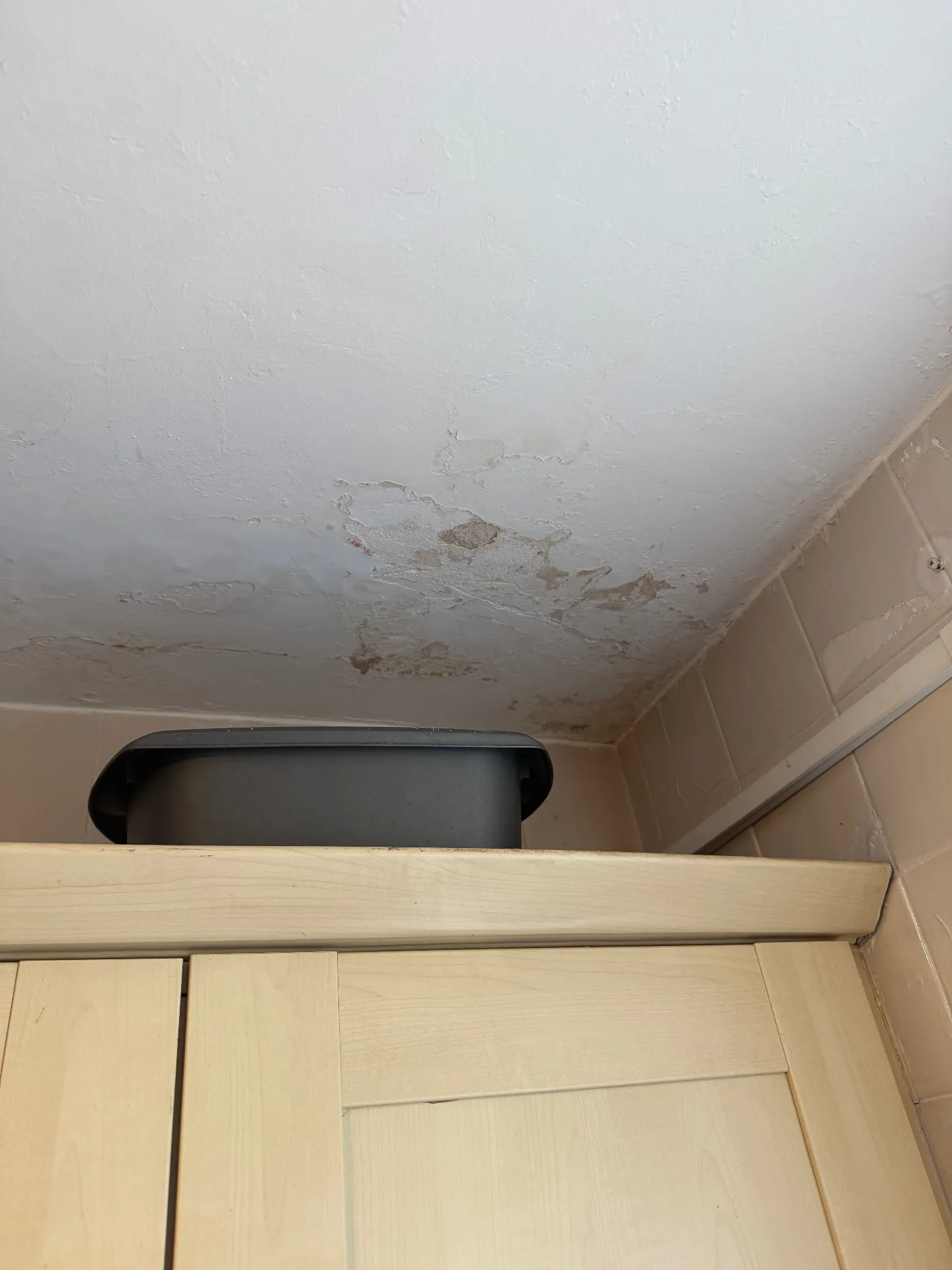
"Damp" is one of the most-feared words on a RICS survey report — and one of the most misunderstood. Not all damp is the same problem, and treating the wrong type (or paying for an unnecessary damp-proof course) wastes money without fixing anything. Here's how to tell rising damp, penetrating damp and condensation apart, and why it matters.
Before you accept a damp-proofing quote, put the finding through the RICS survey repair cost calculator — the three diagnoses below carry very different bills.
Why the Distinction Matters So Much
Damp companies have a financial incentive to diagnose rising damp, because it's the most expensive to "treat" — chemical damp-proof course injection is a lucrative service. But genuine rising damp is actually much rarer than most damp survey reports suggest. Getting the diagnosis wrong means paying thousands for a chemical DPC that does nothing for a penetrating damp or condensation problem, which needs a completely different (and often far cheaper) fix.
Rising Damp: What It Actually Is
Rising damp is moisture drawn up from the ground through masonry via capillary action, typically no higher than about a metre above floor level. It's genuinely uncommon in properties with an intact, functioning damp-proof course (a physical barrier, usually a membrane or slate layer, built into the wall near ground level) — which is standard in anything built after around 1875 and retrofitted into many older properties since.
Genuine signs:
- Damp limited to a consistent height (roughly up to a metre) above the skirting board
- Tide-mark staining, often with white salt deposits (efflorescence) as ground moisture evaporates and leaves salts behind
- Present regardless of weather or ventilation
What's usually actually happening instead:
- A DPC that exists but has been "bridged" — external ground levels raised above it by patios, flower beds or driveways, letting damp bypass the barrier
- Render or pointing extending below the DPC line externally, again bridging it
- No DPC at all in genuinely old properties (pre-1875), where damp management should focus on breathability, not chemical injection
Penetrating Damp: The More Common Culprit
Penetrating damp is water entering horizontally through the building fabric — not rising from the ground. It's far more common than genuine rising damp and has a specific, findable source.
Typical causes:
- Cracked or missing pointing letting rain into solid walls
- Defective flashing around chimneys, roof junctions or window/door openings (see our guide on chimney flashing issues)
- Blocked or damaged guttering directing water down the wall instead of away
- Render cracks or failed pointing on solid-wall (no cavity) properties
- Leaking pipes or plumbing within external walls
RICS survey warning signs:
- Damp patches that don't follow a consistent height pattern, often near a specific external feature (a window, a chimney breast, a gutter downpipe)
- Damp that worsens noticeably after heavy rain
- Staining on ceilings near roof junctions or below flat roofs
Condensation Damp: The Most Common of All
Ironically the most common type of "damp" found in UK homes isn't rising or penetrating at all — it's condensation, caused by warm moist air meeting cold surfaces, often made worse by poor ventilation, extractor fans that don't vent outside, or modern double glazing and insulation reducing natural airflow that older, draughtier homes had by accident.
Typical signs:
- Black mould, especially in corners, on north-facing walls, around windows and in bathrooms/kitchens
- Worse in winter, worse in poorly ventilated rooms
- Often accompanied by condensation on windows
We cover this specifically, including realistic mould-remediation costs, in our guide to condensation and black mould.
Reading the RICS Survey Language
"Damp meter readings elevated at skirting level" — could be genuine rising damp, but electronic damp meters also give false high readings from plaster salts, foil-backed wallpaper, or even electrical wiring behind the wall. Ask whether this was cross-checked with a specialist (calibrated) meter or a physical investigation.
"Recommend damp specialist survey" — sensible advice, but ask your builder or a genuinely independent damp specialist (not one who sells DPC injection) to look first — many "damp surveys" from treatment companies are sales pitches, not diagnoses.
"Evidence of previous remedial damp-proofing" — worth asking exactly what was done and when. A chemical DPC injected 20 years ago that hasn't stopped the damp tells you the original diagnosis was probably wrong.
Realistic Costs by Diagnosis
| Diagnosis | Typical fix | Cost |
|---|---|---|
| Bridged DPC (raised external ground level) | Lower the ground level/patio away from the wall | £500 – £2,000 |
| Genuine failed/missing DPC | Chemical DPC injection or physical DPC insertion | £2,000 – £5,000 |
| Penetrating damp — pointing/render | Repoint or re-render affected area | £1,500 – £4,000 |
| Penetrating damp — flashing/guttering | Repair or replace flashing/guttering | £300 – £900 |
| Condensation — ventilation upgrade | Extractor fans, trickle vents, PIV unit | £300 – £1,200 |
| Condensation — mould remediation only | Treatment and redecoration | £200 – £600 per room |
How Chat to Your Builder Helps
For £59, we'll look at your RICS survey's damp findings and any photos, help you work out which type you're actually dealing with, and give you a realistic cost — without steering you toward an expensive chemical DPC you probably don't need.
We've helped buyers diagnose damp on properties across Manchester, Liverpool, Glasgow, Newcastle and Sheffield. See our related guides on condensation and black mould and realistic damp-proofing costs.
Book your consultation today and get a straight answer on what's really causing the damp.
Frequently asked questions
Is rising damp as common as damp survey reports suggest?
No — genuine rising damp is relatively rare in properties with an intact damp-proof course. Many damp treatment companies over-diagnose it because chemical DPC injection is a profitable service. Bridged DPCs, penetrating damp and condensation are all far more common explanations.
Can damp meter readings be wrong?
Yes. Electronic damp meters can give falsely high readings from plaster salts, foil-backed wallpaper, or wiring behind the wall. A genuine diagnosis should combine meter readings with a physical inspection of where and how the damp presents.
Should I trust a free damp survey from a treatment company?
Be cautious. Many are effectively sales visits for that company's own remedial products. An independent assessment from a builder or genuinely independent surveyor, without a financial interest in a particular treatment, gives you a more reliable diagnosis.
Should I buy a house with damp?
Yes, in most cases — but only once someone has established what is actually causing it. Damp is a symptom, and the cure ranges from clearing a gutter to £2,000–£8,000 of damp-proofing work that may not have been necessary. True rising damp is uncommon; bridged damp-proof courses, leaking rainwater goods and condensation are not. A house with diagnosed, priced damp is a normal purchase. A house with an undiagnosed damp meter reading and a free quote from a treatment firm is not yet a decision you can make.
Work it out yourself
Free tools built on real 2026 builder rates. No sign-up, no email.