Cracks, movement and structure
Almost every masonry house in Britain has cracks. A small number of them matter. The difference is measurable, and you can do most of the measuring yourself before spending a penny.
Width first, then pattern, then movement
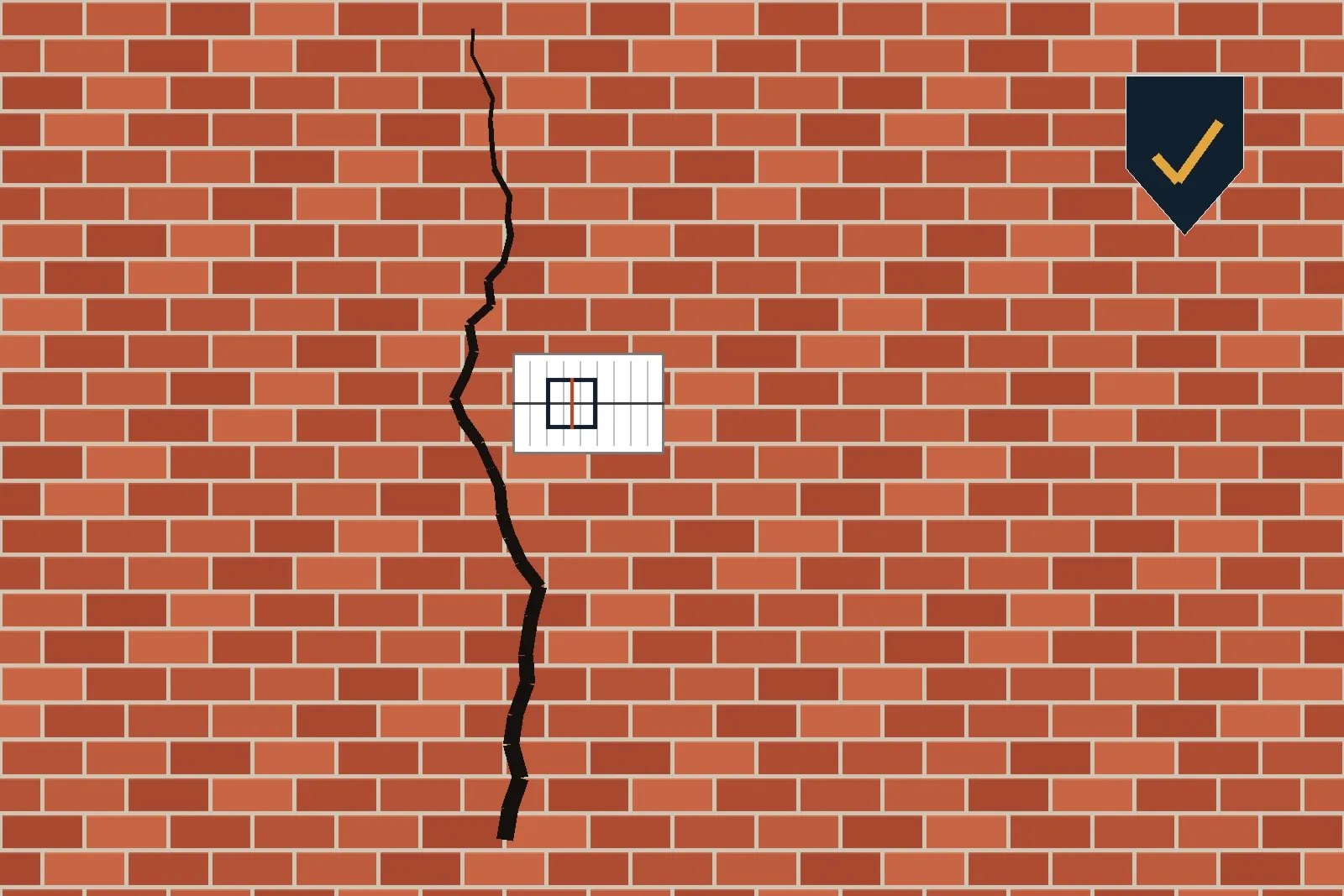
Engineers grade cracks on the BRE Digest 251 scale, and categories 0 to 2 — anything up to about 5mm — are cosmetic or easily filled. What escalates a crack is the pattern and the behaviour: diagonal, tapered, present on both faces of the wall in the same place, near an opening, with doors that have stopped closing. A wide crack that stopped moving in 1987 is a very different proposition from a fine one that is opening now.
Monitoring is free and it is what an engineer will ask for
Mark each end of the crack with a pencil and the date, photograph it with a ruler alongside, measure at three points, and repeat monthly for six months across a change of season. Cracks that open in summer and close in winter are usually clay shrinkage, often with a tree involved. Cracks that only get wider need a structural engineer. Turning up with six months of evidence makes that report cheaper and more useful.
Underpinning is the last resort, not the first
Confirmed subsidence far more often ends in tree management, drain repair and monitoring than in underpinning. Establish the cause before anyone prices a solution — and if you are buying, check with an insurer that cover is available at a normal premium before you exchange. A property with a subsidence claim in its history carries that history forever.
Work it out yourself, free
No sign-up, no email, real 2026 builder rates.
Every guide on this topic
Does Subsidence Affect Your Home Insurance? UK Buyer Guide
One of the most common questions after a RICS survey mentions possible subsidence isn't "how much will it cost to fix" — it's "will I even be able to insure this house." Here's how it actually works.
Read the guide →-
What Does a Structural Engineer's Report Cost, and What's Actually In It?
"Get a structural engineer's report" is common advice after a RICS survey flags movement — but most people commissioning one for the first time don't know what they're paying for.
-
Party Wall Agreements Explained: What Buyers and Extension-Planners Need to Know
Building an extension or loft conversion near a shared boundary? Here's when you need a Party Wall Agreement, what it costs, and what happens if you skip it.
-
Underpinning Costs UK: When You Actually Need It (and When You Don't)
Underpinning is the most feared word in a RICS survey report — and one of the most over-recommended repairs. Here's when it's genuinely necessary and what it costs.
-
Bay Window Cracking: What It Means and What It Costs to Fix
Cracking around a bay window is one of the most common RICS survey findings on Victorian and Edwardian terraces. Here's why it happens and what repairs actually cost.
-
Cracks in Walls: Subsidence, Settlement or Thermal Movement?
Not every crack means subsidence. Here's how to tell subsidence, historic settlement and thermal movement apart — and why the difference changes everything.
-
Signs of Structural Problems Before Buying a House
Spotting a dream home is thrilling, but hidden structural issues can turn it into a nightmare. Learn the key warning signs to look for during property viewings to avoid costly surprises.
Need a builder’s honest take on a property or project?
Get a builder’s eyes on it first. We review RICS surveys, listings, photos and quotes, and tell you in plain English what matters and what it’s likely to cost.
Pay, then send it by WhatsApp or email · written review + call within 24 hours · refund if it isn’t clear