How Much Does a House Extension Cost in 2025? A Complete UK Guide
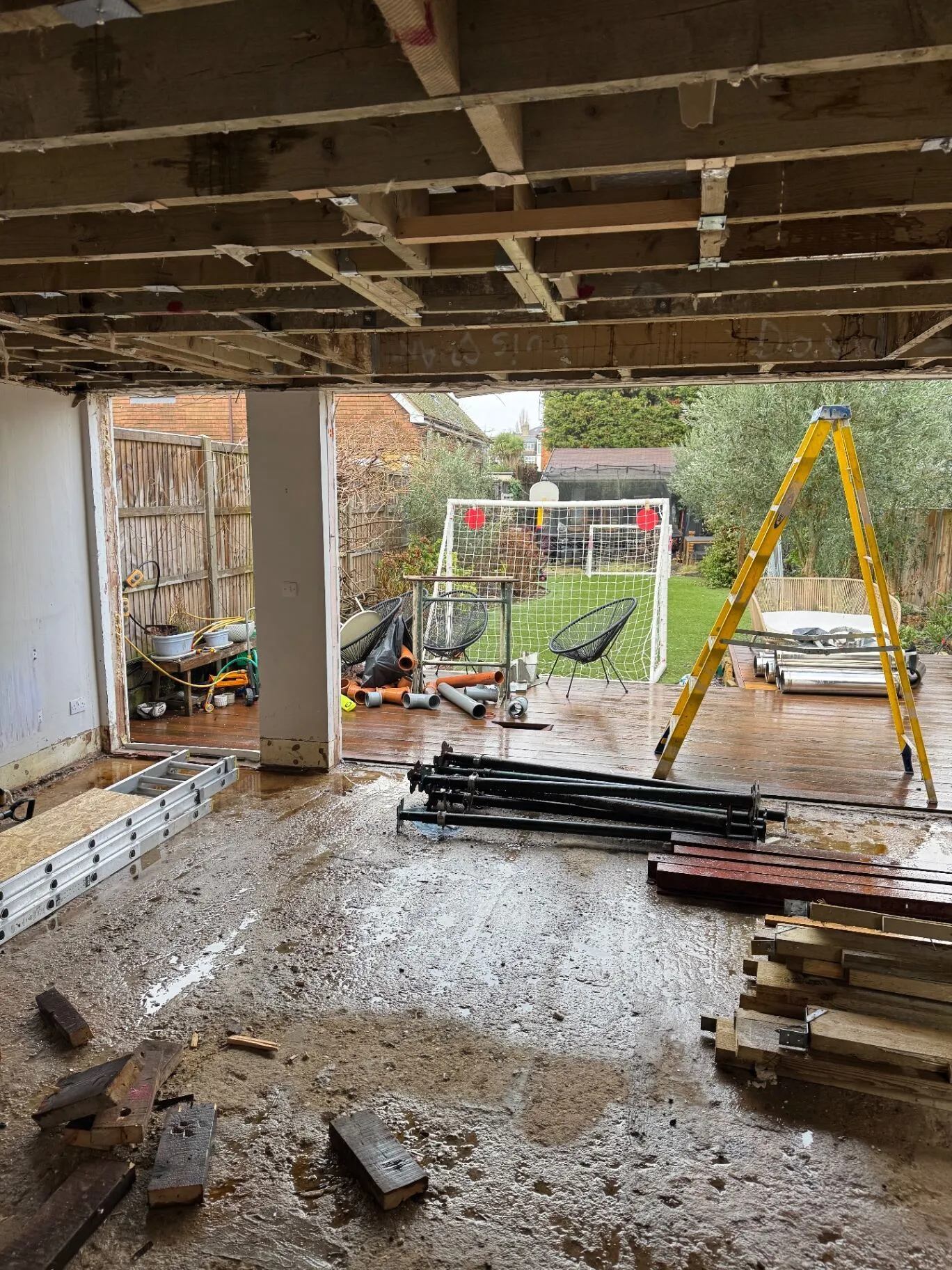
Thinking about extending your home? You're not alone. With house prices high and moving costs eye-watering, more and more UK homeowners are choosing to extend rather than upsize. But one of the first questions everyone asks is: how much does a house extension actually cost?
The answer, of course, is 'it depends' — but that's not very helpful when you're trying to decide whether an extension is right for you. So in this guide, we've pulled together real 2025 figures from across the UK to give you an honest, practical breakdown of what you can expect to pay, whether you're in London, Manchester, Birmingham, or anywhere in between.
The Short Answer: What Does a House Extension Cost in 2025?
As a rule of thumb, house extensions in the UK currently cost between £1,800 and £3,000 per square metre for a standard finish. The average across the industry sits at around £2,395 per m² — though this rises significantly in London and the South East.
Here's a quick overview of total project costs for the most common extension sizes:
| Extension Size | Estimated Cost (Standard Finish) | Estimated Cost (Premium Finish) |
|---|---|---|
| Small (15m²) | £27,000 – £36,000 | £45,000 – £55,000+ |
| Medium (20m²) | £36,000 – £50,000 | £60,000 – £80,000+ |
| Large (30m²) | £54,000 – £75,000 | £90,000 – £120,000+ |
| Double Storey (20m² footprint) | £70,000 – £100,000 | £120,000 – £180,000+ |
Important: These figures cover the main build. They typically exclude VAT (20%), fitted kitchens or bathrooms, architect and planning fees, and landscaping or external finishes.
Types of House Extension and Their Costs
Single Storey Rear Extension
The most popular choice across the UK. A rear extension is typically used to create an open-plan kitchen-diner or to extend the living room into the garden. Costs range from £1,800 to £3,000 per m², with a typical 20m² rear extension coming in at £36,000 to £60,000 depending on finish and location.
Many single-storey rear extensions fall under Permitted Development, meaning you may not need full planning permission — though this varies by property type and local authority.
Double Storey Extension
A double storey extension costs more overall but offers much better value per square metre, typically around £1,900 to £2,400 per m². This is because the expensive elements — foundations and roof — are shared across both floors. A 20m² footprint double storey can deliver 40m² of new space for significantly less than building two separate single-storey extensions.
Side Return Extension
Common in Victorian and Edwardian terraces, a side return extension fills in the narrow alley down the side of a property. They transform dark, narrow kitchens into bright, spacious rooms. Expect to pay around £1,800 to £3,000 per m², with typical projects costing £30,000 to £60,000.
Wrap-Around Extension
A wrap-around combines a rear and side return extension to maximise ground floor space. They're more complex and more expensive — typically £2,000 to £3,500 per m² — but can dramatically transform the feel of a home.
Basement Extension
Basement extensions are the most expensive option, reserved mainly for properties in high-value areas like London where above-ground space is limited. A typical 40m² basement extension can cost between £100,000 and £160,000 — and that's before fitting out.
How Does Location Affect Extension Costs?
Where you live has a big impact on what you'll pay. London and the South East command a premium — typically 10–25% above the UK average — due to higher labour costs and greater demand for building services.
| Region | Approximate Cost Per m² | Typical 20m² Extension |
|---|---|---|
| London | £2,500 – £3,500 | £60,000 – £90,000+ |
| South East | £2,200 – £3,000 | £50,000 – £70,000 |
| Midlands (incl. Birmingham) | £1,800 – £2,500 | £36,000 – £55,000 |
| North West (incl. Manchester) | £1,800 – £2,400 | £36,000 – £52,000 |
| Yorkshire & North East | £1,600 – £2,200 | £32,000 – £48,000 |
| Scotland & Wales | £1,700 – £2,400 | £34,000 – £52,000 |
If you're in London or the South East, don't let the higher costs put you off — property values are also higher, meaning a well-designed extension can add significant value to your home.
What's Included in the Cost — and What Isn't?
This is where many homeowners get caught out. The per-square-metre figures you see quoted typically cover:
- Foundations and groundwork
- Walls and external structure
- Roof (flat or pitched)
- Windows and external doors
- Basic internal plastering and flooring
- Electrical and plumbing first fix
They often don't include:
- VAT at 20% — a significant addition
- Architect and design fees (typically 5–15% of build cost)
- Structural engineer fees (£500 – £2,000)
- Planning permission application fees (currently £206 for a householder application in England)
- Building regulations fees (£200 – £900+)
- Fitted kitchens (£5,000 – £35,000+)
- New bathrooms (£3,000 – £20,000+)
- Bi-fold doors, skylights and feature glazing
- Landscaping and external works
A good rule of thumb: add 15–20% to any quote for contingencies and extras, and always make sure your quote from your builder includes VAT or clearly states it's ex-VAT.
What Factors Affect the Final Price?
1. Size and complexity. Larger extensions don't simply scale linearly — there are economies of scale with some elements, but complex designs with structural steelwork, large glazed sections, or unusual rooflines add cost quickly.
2. Finish quality. A basic finish (standard tiles, laminate floors, off-the-shelf fittings) and a premium finish (bespoke kitchen, limestone floors, underfloor heating) can double the total project cost.
3. Existing property condition. If existing foundations, drainage or soil conditions require remedial work, costs will rise. A RICS survey before you get quotes can save nasty surprises.
4. Structural changes. If you're knocking through into the existing house to create an open-plan space, steel beams are often required — adding £1,500 to £5,000 per beam.
5. Labour costs in your area. As outlined above, location plays a major role. A 25m² extension in Birmingham might cost £12,000 less in labour than the same project in Kingston upon Thames.
How Much Value Does an Extension Add?
The good news is that a well-designed extension typically adds more value than it costs to build. Research suggests:
- A well-planned extension can add 10–25% to a property's value
- An extra bathroom adds around 6% to property value
- A double bedroom adds around 12%
- A double bedroom with en-suite can add around 23%
The key word is 'well-designed'. A poorly built extension, or one that doesn't match the style of the house, can be a turn-off for buyers. This is why getting the right builder — someone who understands both construction and how the space will be used — is as important as the budget itself.
Do You Need Planning Permission?
Many extensions can be built under Permitted Development (PD) rights, meaning you don't need a full planning application. In general, under PD you can:
- Add a single-storey rear extension of up to 8m on a detached property (6m on a semi or terrace)
- Add a double-storey extension of up to 3m, at least 7m from the rear boundary
- Add a side extension up to 4m high and no more than half the width of the original house
However, PD rights don't apply to all properties. Listed buildings, properties in conservation areas, national parks, and flats are generally excluded. Always check with your local planning authority or speak to a builder or architect before assuming PD applies.
Even if your extension falls under PD, you may still need a Lawful Development Certificate (around £103 in England) for peace of mind when selling. And all extensions require Building Regulations approval regardless of planning status.
Party Wall Act — What You Need to Know
If your extension is on or close to the boundary of a neighbouring property, or involves work on a shared wall, you may need to serve a Party Wall Notice. This is a legal requirement under the Party Wall Act 1996 and should be done at least two months before work starts. Failing to do so can cause costly delays.
A Party Wall surveyor typically costs £700 to £1,500 — factor this in if it applies to your project.
How to Get Accurate Quotes
The single biggest mistake homeowners make is getting quotes too early — before plans are drawn up — and comparing them without understanding what's included. Here's how to do it properly:
- Get an architect or designer to draw up plans first. This means every builder is quoting on the same scope.
- Get at least three quotes from local, experienced builders.
- Check that quotes include or clearly exclude VAT.
- Ask what the payment schedule looks like — avoid builders who want large upfront payments.
- Check references and see completed work where possible.
- Make sure your builder is adequately insured.
A 2025 RICS survey by the HomeOwners Alliance found that 47% of UK adults wrongly believe builders are legally licensed. In reality, there's no licensing requirement for builders in the UK — which makes choosing the right one all the more important. Look for membership of trade bodies like the Federation of Master Builders (FMB) or TrustMark-registered contractors as a mark of quality.
How to Finance an Extension
Most homeowners fund extensions through one of these routes:
- Remortgaging to release equity — the most common approach, with 47% of remortgagers in early 2025 increasing their loan size by an average of £20,000
- Home improvement loans — unsecured personal loans for smaller projects
- Second charge mortgage — secured against your property, often with higher rates than a remortgage
- Savings — for those with funds available, avoiding borrowing costs entirely
If you're remortgaging, factor in any early repayment charges on your existing deal. Getting independent mortgage advice before committing is well worth the time.
How Long Does an Extension Take?
From first conversation to moving furniture into your new space, allow:
- Design and planning: 4–12 weeks (longer if full planning permission is required)
- Finding and appointing a builder: 4–8 weeks
- Single-storey build on site: 10–16 weeks
- Double-storey build on site: 20–30 weeks
In total, expect a typical single-storey extension to take 6–9 months from decision to completion. Double-storey projects often take 12 months or more.
Need Help Planning Your Extension?
The cost of an extension is only part of the picture. Getting the design right, finding a trustworthy builder, understanding what permissions you need, and managing the project to budget — all of this takes experience and local knowledge.
That's exactly what Chat to Your Builder is here for. Whether you're at the early planning stage or already have quotes and want a second opinion, you can talk to a real builder who understands your area and your project — without any obligation.
Work it out yourself
Free tools built on real 2026 builder rates. No sign-up, no email.