Builder advice in York
York's medieval core, Georgian townhouses and Victorian terraces each carry different risks. The Ouse and the Foss flood further than most buyers realise; the city walls and the central conservation area place strict controls on what can be changed; and timber-framed buildings inside the bar walls behave nothing like the brick-and-mortar houses a standard survey assumes. Buyers moving in from less constrained markets often need help turning a standard RICS survey into a York-specific repair and consent plan.
“What is urgent and necessary and what can wait for now…”
“Was really overwhelmed by our house survey and Ben has given me so much peace mind. In the same day he has provided me a very thorough but A LOT easier to understand version advising what is urgent and necessary and what can wait for now, all with approximate costs. He noted my concerns prior and it was clear he’d took this into consideration in his response. Highly recommend and will certainly be recommending to friends and family! Thanks again - Charlotte x”
Read it on Google — one of 26 five-star reviews and growing →
Buying a house in York: what we look at
Most York buyers come to us with one of three things: a survey that mentions damp in a solid-walled terrace, a house near the Ouse or the Foss where nobody has said plainly what the flood history means, or a period property where the work they want might need listed building consent. We read the survey against how York houses are actually built: soft handmade brick and lime mortar, clay pantile and slate roofs, timber sash windows and, inside the walls, timber frames that are centuries old. Then we tell you which findings matter and roughly what they cost.
We review surveys on houses right across the city: Bootham, Clifton and Rawcliffe to the north; The Groves, Heworth and Tang Hall to the east; South Bank, Clementhorpe, Bishopthorpe and Fulford to the south; Holgate, Leeman Road, Acomb and Dringhouses to the west; Heslington and Osbaldwick near the university; New Earswick, Haxby and Huntington on the northern edge; and flats and townhouses inside the bar walls.
Chat to Your Builder gives independent property advice for buyers in York and across North Yorkshire, from a working builder with nearly 30 years on site. We turn the findings in your RICS survey into plain-English priorities, likely repair-cost ranges and the right questions to ask next. Written review and call: £59.
What to send: the survey, the listing link, the flood answers from the seller's property information form and any photos from your viewing, especially of the cellar, the top-floor ceilings and the back of the house. Comparing two York houses? Send both and we will tell you which one carries the bigger repair bill.
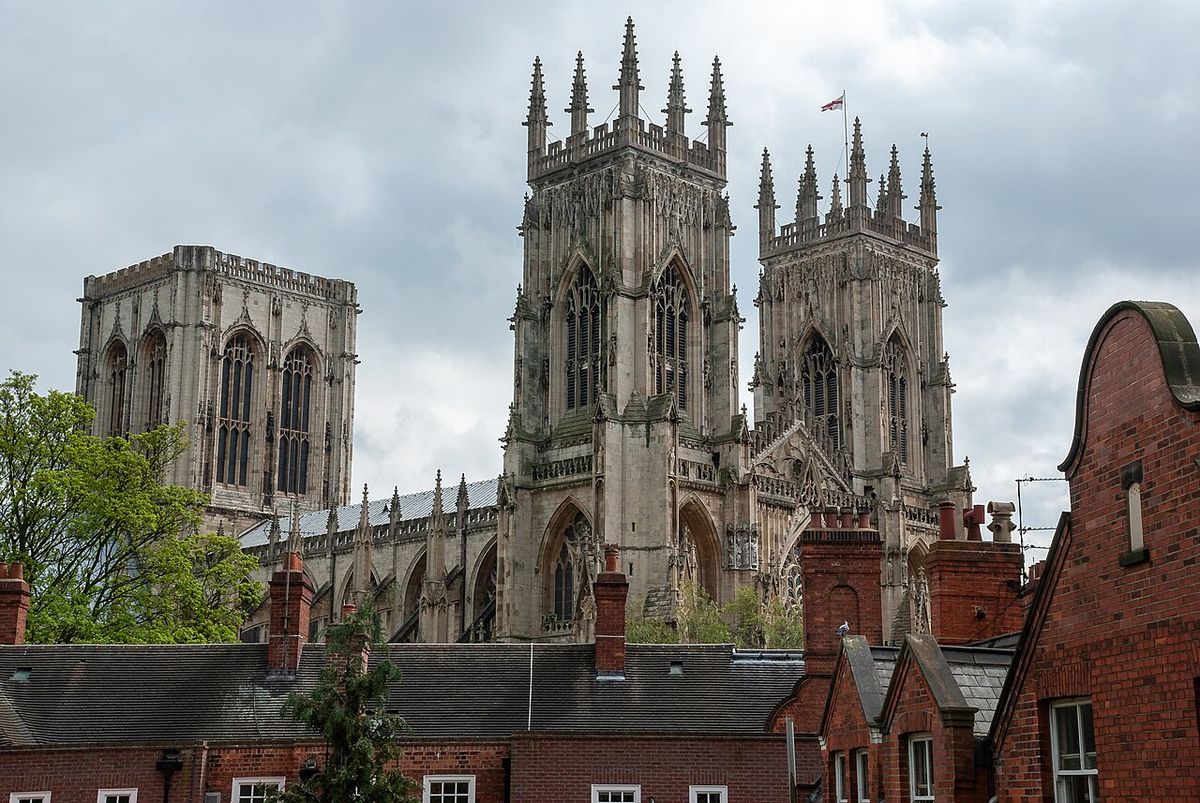
Local building insights for York
What we look out for when we review a York survey, your photos and the paperwork. No site visit is needed: we work from the report your surveyor wrote after theirs. Where something needs a look in person, we tell you who to call.
- Inside the bar walls: listed and conservation-area buildings where even internal changes can need consent. We look hardest at timber-frame movement, roof coverings, parapets and anything the survey says about past alterations
- Bootham, Clifton and Micklegate: Georgian and early Victorian townhouses with hidden box gutters behind parapets, tall chimney stacks and original sash windows, which are where most of the money goes
- The Groves, South Bank and Clementhorpe: Victorian brick terraces with solid walls, rear offshoots and shared alleys. Damp is usually about pointing, ground levels and blocked air bricks rather than true rising damp
- Leeman Road, Clementhorpe, Fishergate and Huntington Road: low-lying streets near the Ouse and the Foss, so flood history, insurance and any resilience work already done matter as much as the survey
- Acomb, Tang Hall and Heworth: inter-war and post-war semis where the usual costs are roofs, rewires, old cavity wall insulation and extensions done before current building regulations
- New Earswick: the Rowntree model village, a conservation area with its own character, where window, door and boundary changes are more tightly controlled than on a typical estate
Common property issues in York
Ouse flood risk and insurance
Properties in Clementhorpe, Fulford, Fishergate and parts of Acomb sit in Flood Zones 2/3. Flood Re cover is available below the council tax cap, but premiums and excesses are materially higher — confirm before exchange, not after.
Timber-frame medieval building movement
Properties within the city walls often have oak-frame elements that have moved over centuries. 'Movement' on a timber frame is normal; the question is whether it's stabilised or progressing. Generalist surveyors often default to 'monitor' when a specialist look is needed.
Georgian terrace roof and parapet works
Bootham, Bishophill and Micklegate Georgian terraces have parapet roofs with hidden box gutters. Failure points are invisible from street level; £8–20k full renewal bills are common when buyers move in and ceiling staining returns.
Holgate / Acomb Victorian terrace damp
Solid-wall Victorian terraces in Holgate, Acomb and Tang Hall often have failed pointing, raised external ground levels, and 1980s cement render trapping moisture. Misdiagnosis as rising damp drives unnecessary chemical injection.
Flood history: the Foss as well as the Ouse
Most buyers know the Ouse floods. Fewer realise how far the Foss reaches: on Boxing Day 2015 the Foss Barrier had to be raised and water got into homes around Huntington Road and Walmgate. Ask the seller directly whether the house has flooded, check the Environment Agency flood map and get a buildings insurance quote before exchange, not after. Raised sockets, tiled floors and non-return valves are a clue that the house has flooded before.
Solid brick walls and the wrong damp treatment
York's Victorian terraces are mostly solid nine-inch brick, often laid in lime mortar. Cement repointing, cement render and modern gypsum plaster trap moisture in those walls, and the damp that follows is regularly sold a chemical damp-proof course it does not need. We look at pointing, external ground levels, gutters and air bricks first, because that is where the cheap fix usually is.
Pantile and slate roofs on older terraces
Many older York houses have clay pantile roofs, often without underlay. Slipped or cracked pantiles, perished mortar at the ridge and verge, and decayed battens are common survey findings. A pantile roof can often be stripped, re-felted and re-laid with the original tiles, which is cheaper than a new roof and usually what the conservation officer wants.
Student lets and HMO conversions
Houses around Heslington, Tang Hall, Badger Hill and The Groves have often been let to students. Attic bedrooms without building regulations sign-off, stud walls added to make extra rooms, and tired wiring are the usual legacy. Ask for completion certificates and the latest electrical report, and remember that turning a family house into a shared house in York needs planning permission.
Realistic renovation costs in York
| Job | Typical cost | Worth knowing |
|---|---|---|
| Full house rewire (3-bed terrace) | £4,500 – £7,000 | Listed buildings: surface-mount may be required. |
| Parapet roof / box gutter renewal (Georgian) | £8,000 – £20,000 | Scaffolding and lead work; specialist roofer needed. |
| New kitchen, mid-spec | £8,500 – £15,000 | Listed buildings: layout changes may need LBC. |
| Bathroom refit | £5,500 – £9,500 | Solid floors common; waste re-routing via void or external. |
| Single-storey rear extension (3m) | £40,000 – £68,000 | Within city walls: conservation/LBC limits design options significantly. |
| Pantile roof strip, re-felt and re-lay (terrace) | £7,000 – £12,000 | Reusing sound tiles keeps conservation officers happy; replacements matched from reclaim. |
| Lime repointing, front elevation | £3,500 – £7,500 | Cement pointing on soft York brick should be raked out, not patched. |
| Flood resilience: raised sockets, tiled floor, non-return valve | £4,000 – £12,000 | Worth checking the insurer's view first; some schemes help fund it. |
Planning quirks that catch buyers out
- Everything within the bar walls is in the Central Historic Core conservation area, and many buildings there are listed Grade II or II*.
- Listed building consent is needed for internal works as well as external ones, including kitchen layouts, bathroom installations and anything touching a timber frame. Unauthorised work is a criminal offence and stays with the property.
- An Article 4 direction across the whole city means turning a house into a small shared house (HMO) needs planning permission. Check the property's planning status before you buy to let.
- Flood Zone 3 properties need a flood risk assessment for most extensions, and some lenders ask about flood history before they lend.
- Tree Preservation Orders are common in Fulford, Heslington and Clifton. Felling or heavy pruning without consent leads to enforcement and complicates later planning.
Bootham Georgian terrace, hidden box-gutter bill avoided
A buyer was about to exchange on a £585k Bootham Georgian terrace. The RICS Level 3 survey mentioned 'staining to top-floor bedroom ceiling, no active leak found'. We recognised the classic Georgian box-gutter failure pattern and asked the buyer to commission a drone roof inspection (£250). The drone confirmed lead splits in the parapet gutter — a £14k strip-and-relay. The buyer renegotiated £10k off the asking price.
Outcome £10,000 off asking price
Illustrative example of the kind of finding we review — not a specific client.
York property is beautiful and constrained in equal measure. A written review and a call within 24 hours before exchange is the cheapest way to make sure your offer reflects the consents and repairs the property actually needs.
Free tools for buying in York
Regional rates built in — set the location and the numbers adjust.
Buying in York? Get a builder’s view on the survey
Send us your RICS survey, plus any listing or photos. Ben Murrell turns the findings into plain-English priorities and likely repair-cost ranges, with a written review and a call within 24 hours.
Review my RICS survey — £59We work from the report and your photos, so it makes no difference where in the UK you’re buying.